











RESEARCH GROUPS

Vladimir Maizus
Shai Linn (University of Haifa) – Public Health and Emergency Medicine Group head
Full Professor, University of Haifa, Israel. Physician and epidemiologist. Two medical specialties: Public Health and Health Management. Received M.D degree from Hebrew University, MPH and Dr.PH both from Harvard University in Boston, Massachusetts, USA. Deputy Medical Director of the Rambam Hospital (1982-1985) and head of the Unit of Epidemiology (1993-2010) and head of medical informatics at the Technion in various capacities. Served as a Visiting Scientist at the U.S. National Institutes of Health in Bethesda, Maryland (USA). Received a grant from the well known MacArthur Foundation, Social Science Research Council for studying the Human Cost of War injuries (1990-1992). Visiting Professor at the University of North Carolina (USA) (1986) and the University of British Columbia, Canada (1990-1992). Consultant at the U.S. National Center for Health Statistics in Maryland, USA (1985-1986) and to the World Bank (1998) and the AIDS Center in Vancouver, British Columbia, Canada (2000). Epidemiologist of the Israel Transplant Center (1999). Member of several Israel National Medical Councils. Founder and Chair of the Department of Epidemiology at the Technion (1992-1999). Founder and Chair of the Department of Public Health at the University of Haifa (2003-2007). Dean of the Faculty for Social Welfare and Health Sciences at the University of Haifa (2010-2016). Published extensively in leading journals, instructor of 67 students for higher degrees.
Hagai Levine (Hebrew University-Hadassah Medical Center) – Public Health and Emergency Medicine; Public Policy
A public health physician and epidemiologist, heading the environmental health track of the Hebrew University-Hadassah School of Public Health with experience in both the academic and practical components of disaster and emergency preparedness. Assistant professor at the Hebrew University and adjunct assistant professor at Mount Sinai, New York. He authored 70 peer-review publications and his area of research includes public health perspective on preparedness and mitigation of environmental disasters as well as of epidemics and pandemics. He has practical experience on public health in disasters and emergencies as well as communication with the public from his past current roles in the IDF (Head of Epidemiology Section), Ministry of Health and, and as the Secretary of the Israeli Association of Public Health Physicians. Dr. Levine trained Israeli and international teams on the epidemiological and public health aspects of emergency preparedness.
[1] Also in Public Policy group
Leon Levi (Rambam Health Care Campus) – Public Health and Emergency Medicine
Dr Levi has vast experience from the military to the civilian organization of hospital care. He had few pivotal publications regarding the ways to measure and explores possible scenarios of the main hospital in our region towards better preparation and conduction of emergency tasks. He is one of RMC experts regarding the mission of preparation protocols along with team simulation drills. The audit of emergency services as shown by daily incidents and conducting negotiations with other experts about this complex mission of emergency preparedness.
Ron Lavi (Technion) - Engineering, Technology and Planning
Ron Lavi is an associate professor at Technion’s faculty of industrial engineering and management. He has a PhD in computer science from the Hebrew University. He joined the Technion in 2006 after completing a two-year post-doctoral training at the California Institute of Technology. His research expertise is in Algorithmic Game Theory, a developing discipline on the border of computer science, economics, and game theory. His research studies algorithmic aspects in the design of networks for selfish users (e.g., the design of networks for rescue and evacuation), and the design of economic mechanisms for efficient resource allocation (e.g., when scarce resources are needed to be allocated in the best possible way in times of distress). Prof. Lavi was a consultant to Google, Microsoft research, and Yahoo! Labs.
Shay Kutten (Technion) - Engineering, Technology and Planning
Shay Kutten received his Master degree (on "scheduling of radio broadcasts", receiving the Gutwirth Fellowship) and his PhD ("on distributed network algorithms", receiving the fellowship of the Chief Scientist in the Ministry of Communication in Israel) in Computer Science from the Technion, Israel, in 1984 and 1987 respectively. From 1987 to 2000 he was with IBM T.J. Watson Research Center, as a post doctoral fellow, as a project leader, as the manager of the Network Architecture and Algorithms group and of Distributed Systems Security, and as a Research Staff Member. He led the network security project which developed the security architecture for several IBM products, and developed algorithms for network control, security, and distributed processing control, that were later used in IBM's products. He received (in 1993) the IBM Corporation Outstanding Innovation Award (OIA) for his work on distributed control protocols that were basis to the distributed control of IBM Broad Band Networking Services architecture, NBBS. In 1994 he received the IBM Outstanding Innovation Award (OIA) for his work on authentication protocols and his contributions to IBM's network security and NetSP (by itself an award winning product). The same authentication protocols influenced the later development of the Internet payment protocol, so IBM had to grant a no-fee license, so that the Internet can adopt this payment protocol. Prof. Kutten also contributed to the theory of distributed computing, mostly by introducing new theoretical subjects, many of them inspired by his work on practical issues, and by giving well founded solutions to practical problems. At the Technion he was the head of the Information Systems area of the Davidson Faculty of IE&M and the coordinator of undergraduate studies of the faculty of IE&M. He won the Taub Award for excellence in research, and the Mitchner Award for research on Quality Sciences and Quality Management. He is an area editor (for security, reliability, and availability) of the ACM's journal on Selected Topics in Mobile Networks and Applications (MONET). He was also a member of the editorial board of the ACM's Wireless Networks and of the Elsevier journal Computer Networks. He served on program committees for several conferences and workshops, was the chair of the program committee of the 1998 DISC conference and of the ACM PODC'04 conference, was awarded several additional awards and research grants, and published extensively in scientific journals and in .refereed conferences. He is a senior member of the IEEE, and a member of ACM-SIGACT .
In recen years he has been generalizing his research to networks beyond computer networks, for example, to communication networks, electricity networks, etc. The idea is to study fault tolerance, fault recovery, and network design for complex collections of networks that compose a smart city, or even a smart world. He received a grant from the ministry of science, together with the Japanese equivalent of the ministry, to cooperate with Japanese researchers on the ways such networks can cope with disasters and attacks.
Nurit Kliot (University of Haifa) – Social Science
I am a geographer who study in areas which need interdisciplinary analysis (based on sociology political science and Geography) In recent years I studied broadly water resources management in the world and in Israel especially their miss management and abuse. Climate change and its impact on water resources and its effects on human population is my current research. I have written some 100 articles and chapters and authored and edited 12 books in my various research areas.
Doron Kliger is a Faculty Member at the Department of Economics, the University of Haifa, Israel. While at the US, he has been associated with the Wharton School of the University of Pennsylvania.
Currently, Kliger is the Chair of the department and serves as an Academic Member of the Israel Association of Actuaries (IAA). He also serves as a consultant in economics, finance and accounting issues. Kliger's past employment included auditing and reviewing professional material at the Kesselman & Kesselman (PricewaterhouseCoopers Israel) CPA office.
Kliger's research domain, concisely defined, is microeconomics and finance, focusing on behavioral economics (BE), most prominently, behavioral aspects of decision making. The goal of his agenda is exploring actual decision making, i.e., linking the body of knowledge accomplished at the lab to real life situations. For that purpose, Kliger's research employs real data, with attention to field- and natural-experiments.
Psychological processes, heuristics, and biases play key stage in BE. Doron Kliger's research, therefore, dedicates attention to their empirical investigation, e.g., priming effects; reliance on past performance and reference points; projection bias; overconfidence; availability heuristic; Attribution Theory; and Cumulative Prospect Theory.
University of Haifa
Social Science group
Ehud Klein (Technion) – Public Health and Emergency Medicine
Prof. Ehud Klein graduated from the Hebrew University in Jerusalem and completed his training in Psychiatry at the Rambam Medical center, and a research fellowship at the National Institute of Mental Health in Bethesda Maryland (US). After his return from the US, Professor Klein served several years as deputy Chairman for Research and Academic affairs, and became Chairman of the Department, until his retirement , last year. .
In addition to his clinical position as department head, Professor Klein pursued over the years a rich research career and continues to be an active researcher. His focus of research in the last years has been on traumatic stress and Post-traumatic stress disorder, and in Transcranial magnetic brain stimulations. Professor Klein is the recipient of numerous research grants and has published extensively in leading journals in his field.
Brief summary of my research on Post-Traumatic Stress Disorder (PTSD).
This incapacitating psychiatric disorder, has been another focus of my research interests in the last years. One of my first studies in this field focused on the development of PTSD in injured traffic accident victims. This prospective study which included about 100 subjects was the the PhD thesis of I. Arnon under my supervision. The results showed that about 30% of injured traffic accident victims suffer from PTSD one year after the accident. A Continuation follow up study revealed that 3 years after the accident, as many as 50% of those who had PTSD after 1 year, still had the disorder. A major part of this work was published in the American Journal of Psychiatry in 1999 with an editorial article discussing our findings. Four additional papers summarizing results from this study were published subsequently. The findings of this study were presented in invited lectures at the World Psychiatric Congress (Madrid 1995), in the 2nd meeting of the International Society for Traumatic Stress Studies (Jerusalem 1996) and invited lectures and grand rounds in university departments in Israel and abroad. Since this study, a major part of my work in PTSD has focused on vulnerability factors and early predictors of PTSD. This issue is of particular importance since only 20-25% of trauma survivors develop PTSD. Thus early identification of those at risk is crucial for the implementation of early and effective treatment interventions that might prevent chronic morbidity.
One such study done in collaboration with Dr. D. Koren, explored the role of combat related injury in the development of PTSD. In this study soldiers who were injured in war activity during their service in Lebanon, were compared to their peers who were involved in the same events, but were not injured. The results of this study showed that physical injury is a major risk factor for PTSD and that injured soldiers were about 8 times more likely to develop PTSD compared to their non-injured commerades. The study was published in the American Journal of Psychiatry in 2005.
In another prospective study we investigated the role of traumatic memory as a risk factor for PTSD. Two PhD students S. Gill and I. Ben-Ari completed their theses on this topic. Findings from these studies showed that among subjects who survived a traumatic event involving minor head injury, those with memory for the event, had a five-fold higher risk to develop PTSD as compared to those who lacked memory for the event. The results of this study were presented in the Annual meeting of the International Society for traumatic stress studies in Baltimore USA, and were published in the American Journal of Psychiatry in 2005.
In an additional study which has recently been completed we investigated traumatic exposure and its sequelae in Bedouin servicemen in the Israel Defense Forces. Studies of veterans from ethnic minority backgrounds indicate differential rates of posttraumatic stress disorder (PTSD) and other psychological problems, suggesting that ethnicity increases vulnerability to psychological risk following war-zone duty and negatively impacts vocational, social, physical, and health adjustment. The circumstances of Israel’s Bedouin citizens are especially complex given their Arab ethnicity and Muslim faith. In order to explore the impact of trauma on mental and physical health, functioning and medical services utilization we conducted a cross-sectional study of Bedouin households associated with the IDF in a Galilee community. Three hundred and seventeen Bedouin veterans and active-duty servicemen, mostly enlisted in combat units, completed the interviews, representing 85% of those identified through door-to-door recruitment and 91% of those who agreed to participate. Traumatic events were reported by 75% of the sample (n=238), mostly combat (89.9%) and car accidents (27.3%). Psychiatric diagnoses determined by the Structured Clinical Interview for DSM-IV Disorders (SCID) were found in 27%. Posttraumatic Stress Disorder (PTSD) was identified in 19.5% of those traumatized and was mostly co-morbid with depression, alcohol abuse or both. Of all traumatized, those with PTSD were more likely to report elevated levels of current depression symptoms (F=121.45, p<.001); and poor health status (odds ratio [OR]= 17.78; 95% confidence interval [CI], 6.53-47.84; p<.001), associated with significantly higher rates of physician-diagnosed medical conditions, various somatic symptoms, health-related impairment in daily functioning and frequent use of primary and specialty care services. Our findings indicate that trauma exposure is highly prevalent in this sample and that PTSD is associated with significant distress and disability. While rates are comparable to those described in other cohorts of combatants, Bedouins with PTSD were mostly undiagnosed and untreated in spite of severe impairment in health and daily functioning and frequent use of primary care services.
In another study we evaluated the efficacy of early pharmacological treatment for PTSD prevention in people who have recently been exposed to a traumatic event. This was a randomized controled trial where Escitalopram or placebo treatment is given to trauma survivors within 4 weeks from the traumatic event, for a period of 6 months followed by an additional medication free observation period up to one year after the event. Recruitment was done in four medical centers in Israel
A new line of research in which our group has become involved, is the study of the potential therapeutic effects of Oxitocin in PTSD and social anxiety. This work is done in collaboration with Prof. S. Shamay-Tsori from the Department of psychology at the Haifa University and several studies are under progress. Over the last years I have been invited to present lectures and chair scientific sessions on risk factors and early predictors of PTSD in several International meetings such as the Annual meeting of the European Society for Neuropsychopharmacology ( ECNP) in Amsterdam in 2005, the Annual meeting of the American Society for Biological Psychiatry in Toronto in 2006 and the forthcoming World Congress of Biological Psychiatry to be held in Santiago De Chile in April 2007. I have also served as an invited guest editor for a special issue of CNS Spectrums on risk factors and early predictors of PTSD and and authored two book chapters on the role of physical injury as a risk factor for PTSD. In addition I wrote with professor J. Zohar an invited chapter for the Encyclopedia of Stress.(Elsevier, 2nd edition, in press) summerizing PTSD research in Israel in the last three decades,. I am also member of a national committee which is preparing treatment guidelines for PTSD that will serve professionals and therapists who are treating patients with PTSD. In paralel, to complement our clinical research in PTSD, several preclinical studies were done in collaboration with Prof. Dorit Ben-Shachar, head of our research laboratory on the role of DNA methylation (epigenetic factors) in the vulnerability to PTSD (manuscript no' 81), The differential effects of various types of stress on behavior and neuronal plasticity related genes, the relevance of interaction between norepinephrine and glucocorticoids induced signaling pathways to the pathogenesis of stress related disorders (manuscript no' 99), and the effects of early postnatal interference with the expression of genes regulated by the transcription factor Sp1.
Shaul Kimhi (Tel Hai Academic College) – Welfare and Social Work
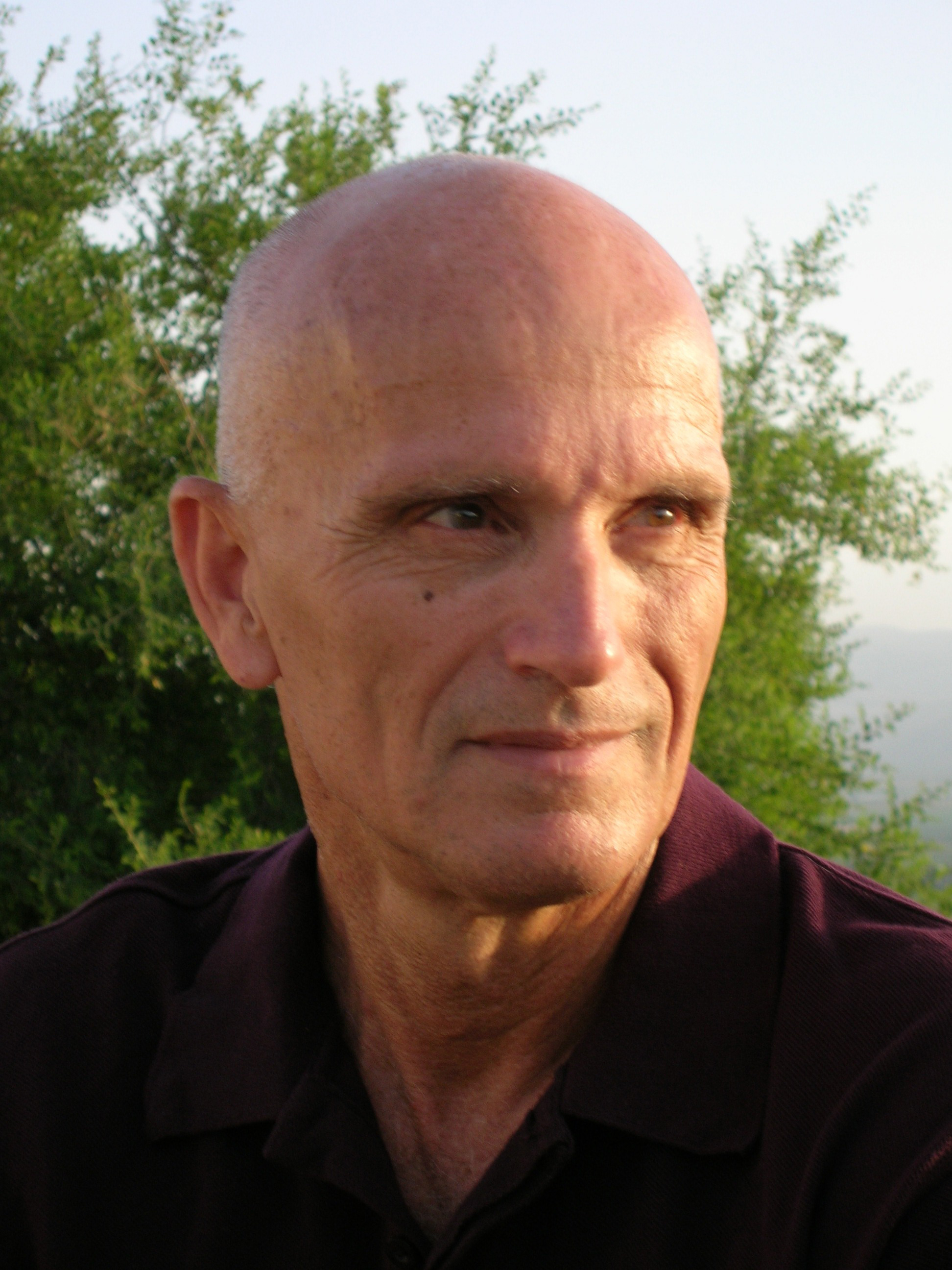
Shaul Kimhi completed his bachelor’s and master’s degree in Israel and his Ph.D. (psychology) at the Palo Alto University, California, USA. He was Head of the Psychology Department at Tel Hai College from 2009 to 2016. Prof. Prof. Kimhi used to be a member of the American Psychological Association (APA), the International Society for Political Psychology (ISPP), and the International Political Science Association (IPSA). His main areas of research are: individual, community and national resilience; coping with stress; political psychology (including behavior analysis of political leaders), psychology of terrorism, and army psychology.
Professor Kimhi has published 4 books (one of them as an editor), 82 articles in refereed journals and 10 chapters in collections. He has participated in many academic international conferences, including as invited and keynote speaker and serves as a referee for several professional journals. He is often invited to the Israeli media (TV and radio) to discuss his areas of expertise. In the past Prof. Kimhi served as a special advisor in the Israeli Army Intelligence Corps. Today, Shaul is Professor Emeritus at Tel-Hai College and he is one of the founders (in the process) of the 'Multi-national Resilience & Well-being Research and Knowledge Center' at Tel Aviv University.
Emil Israel (Technion) – Engineering, Technology and Planning
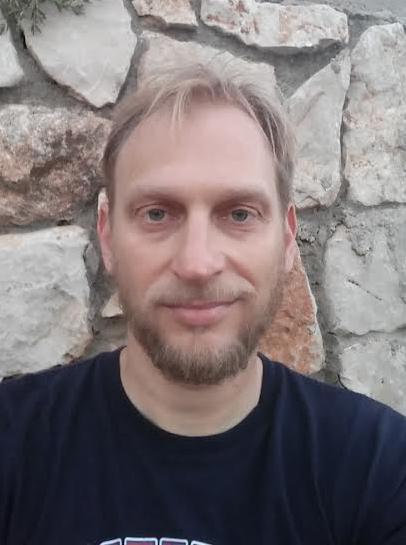
Dr. Emil Israel is an urban planner, geographer and Assistant Professor in the Faculty of Architecture and Town Planning at the Technion. Emil explores diverse aspects of space and society. Emil’s research interests include issues of spatiality, social justice, inequality and poverty, as well as issues that concentrate on suburbanization, social distinction, and on immigration and globalization. Before arriving at the Technion, Emil was a researcher at the Samuel Neaman Institute for National Policy Research, Technion Israel. There he explored core-periphery inequalities, concentrating on themes of regional development. Emil completed both his undergraduate and graduate studies in the Hebrew University of Jerusalem (Magna Cum Laude), specializing in Geography and Political Science. He holds a PhD from the Technion (2013). Emil conducted post-doctoral studies in the Department of Urban Studies and Planning (DUSP), in MIT - Massachusetts Institute of Technology, as well as in the Minerva Center for the Rule of Law under Extreme Conditions, in the University of Haifa, Haifa. In this recent study he explores stakeholder engagement and participation mechanisms for earthquakes' preparedness (as well as for other large-scale disasters), focusing in peripheral local authorities in Israel.