






RESEARCH GROUPS

Vladimir Maizus
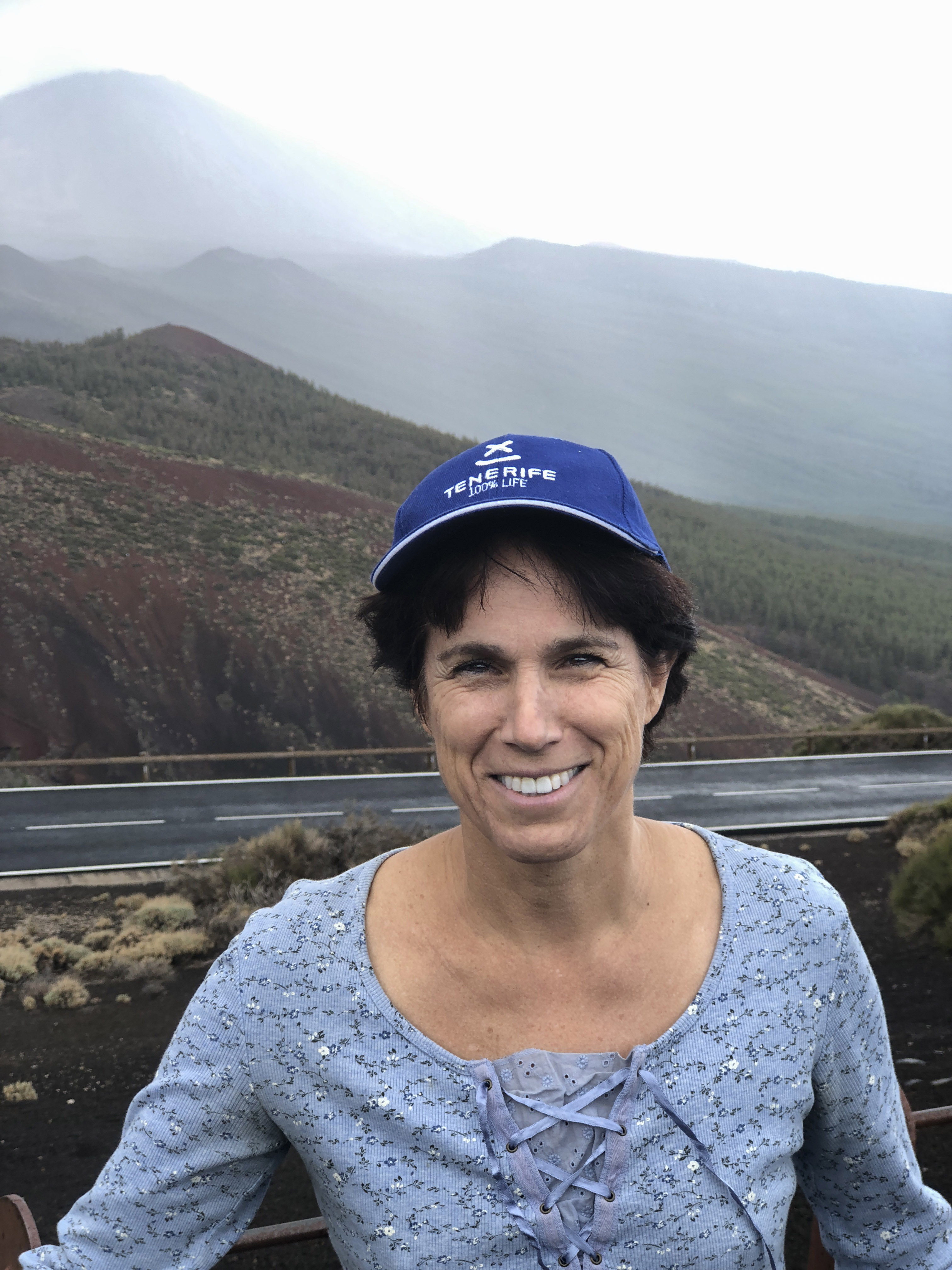
Michelle Portman (Technion) - Engineering, Technology and Planning; Environment
Michelle Portman graduated the Technion with a M.Sc. in Urban and Regional Planning (’91), the University of California Berkeley with a B.Sc. in Political Economy of Natural Resources (’84) and the University of Massachusetts with a doctorate in Public Policy (’07). She returned to Israel in 2009 following a two-year postdoctoral fellowship at the Marine Policy Center of Woods Hole Oceanographic Institution. She continued her research as a post-doctorate in the Geography Department at Hebrew University of Jerusalem until joining the Technion.
Michelle’s research in marine and coastal management has focused on conservation and the connection between uses of the land and sea (commercial fishing, marine renewable energy, offshore infrastructure, etc.). She researched governance for coastal development, integrated coastal zone management, natural resource use and environmental justice, decision support tools for planning and the use of GIS for public participation. With regard to emergency preparedness, she researched the potential contribution of urban and regional planning to tsunami preparedness and also the resilience and vulnerability of coastal communities to extreme weather events. She head up the MarCoast Ecosystems Integration Lab in which research is conducted on marine litter, water sensitive design, coastal zone management and marine conservation policy.
Pnina Plaut (Technion) –Institutional Coordinator Technion, Engineering, Technology and Planning Group head
Pnina Plaut (Associate Prof.) - is the Chair of the Graduate Program in Urban and Regional Planning at the Faculty of Architecture and Town Planning, Technion - IIT. She holds a BSc in Civil Engineering, MSc in Urban and Regional Planning from the Technion, and a PhD in City and Regional Planning from the University of California, Berkeley. Fields of interests: Transportation and Land Use Planning and Policy, Impacts of Infrastructure (Transportation and Telecommunications) on Economic Development, Urban/Regional Structure and the Environment. Special interest in Social Networks, Travel Behaviour and Urban Structure. Prof. Plaut, is the Initiator, Coordinator and Chair of the EU TUD COST Action TU1305 titled: Social Networks and Travel Behaviour. Prof. Plaut is leading a research group at the Center for City and Regional Studies -CCRS devoted to the investigation of “health promoting environments” focusing on the impact of the built environment on health including: “active” transport and active living by design. She recently advised a master's student whose thesis evaluated the urban planning factors that influence evacuation under various tsunami wave conditions using a coastal community case study. She is also supervising a master student whose thesis focuses on incorporating underground civilian shelters in city planning and outline plans. The research is exploring ways for combining civil protection in urban underground space.
Ronen Perry (University of Haifa) - Law
Ronen Perry is a Professor of Law and Director of the Aptowitzer Center for Risk, Liability, and Insurance at the University of Haifa. Prof. Perry received his LLB magna cum laude from the Tel Aviv University in 1996, where he studied in the special program for excellent students (admitting 0.5% of undergraduate students). He completed with distinction his LLM studies, as part of the direct doctoral track requirements, then served for three years in the IDF JAG Corps, and received his LLD summa cum laude from the Hebrew University in 2001. Prof. Perry has published a book and sixty articles and book chapters on tort law, contract law, insurance, remedies, jurisprudence, and the legal process, and is also engaged in empirical and experimental legal studies without a prioricommitment to a specific branch of law. He served as the President of the Israeli Private Law Association, and currently serves as member of the European Centre of Tort and Insurance Law, the World Tort Law Society, and the Global Young Academy, and as the Israeli reporter to the European Tort Law Yearbook. Prof. Perry was a visiting researcher at New York University, University of Oxford, Pompeu Fabra University, and the University of Vienna. He is one of the founding editors, and a senior editor of the Journal of Tort Law, an editorial board member of Law and Social Inquiry, and the editor-in-chief of the Haifa Law Review. In 2015, he was awarded the Fattal Prize for excellence in legal research.
Dan Peled (University of Haifa ) – Social Science
Prof. Dan Peled, Department of Economics, Univ. of Haifa. Ph.D.: Univ. of Minnesota, 1980. Fields of Interest: technological innovation, economics of R&D, economic growth, defense economics. Current position: Senior Advisor, Research Authority, University of Haifa. Senior Research Associate, Samuel Neaman Institute (SNI) at the Technion, past founder and director of the program on Economics of National Security, (ENS), and Academic coordinator – Science Technology and the Economy (STE) at SNI.
Interested in emergency and defense resources and responsibility allocations, including the study of external effects and complementarities between jurisdictions, levels of government and individual agents, and designing incentives for implementing the desirable distribution of preventive, detection and emergency treatment efforts.
Shlomit Paz (University of Haifa) – Environment; Public Health and Emergency Medicine
Prof. Shlomit Paz, head of Department of Geography and Environmental Studies, University of Haifa, is a climatologist and environmental health researcher who investigates the impacts of climate change on the human health and security. Her studies include aspects of monitoring and surveillance of vector/water/food-borne diseases outbreaks, as well as predictions of the geographical spreading of the diseases among human populations, which resulted from the changing climate and environment.
Recently she led a large EU project for the ECDC (European Center for Disease Prevention and Control, Stockholm), on the current and predicted impacts of climate change on vector-borne diseases spreading in Europe, for a better preparedness of the EU countries to severe outbreaks in the near future.
She is a member of the steering committee of the MedECC (Mediterranean Experts on Climate and Environmental Changes), and a contributor to the coming IPCC special report on the impacts of 1.5ºC warming on human and natural systems (health section).
Avi Ostfeld (Technion) - Engineering, Technology and Planning
Avi Ostfeld is a Chaired Professor at the Faculty of Civil and Environmental Engineering and Deputy Vice President for Academic Affairs of the Technion – Israel institute of Technology.
Dr. Ostfeld's research contributions and professional activities are in the fields of water resources systems, and in particular in the area of water distribution systems optimization using evolutionary computation: water distribution systems security through optimal monitoring, water quality event detection, and booster chlorination station allocations, optimal design and operation of water distribution systems, and integrating water quality and reliability into water distribution systems management and control. He also specializes in critical infrastructure security modeling, water distribution systems security modeling and control.
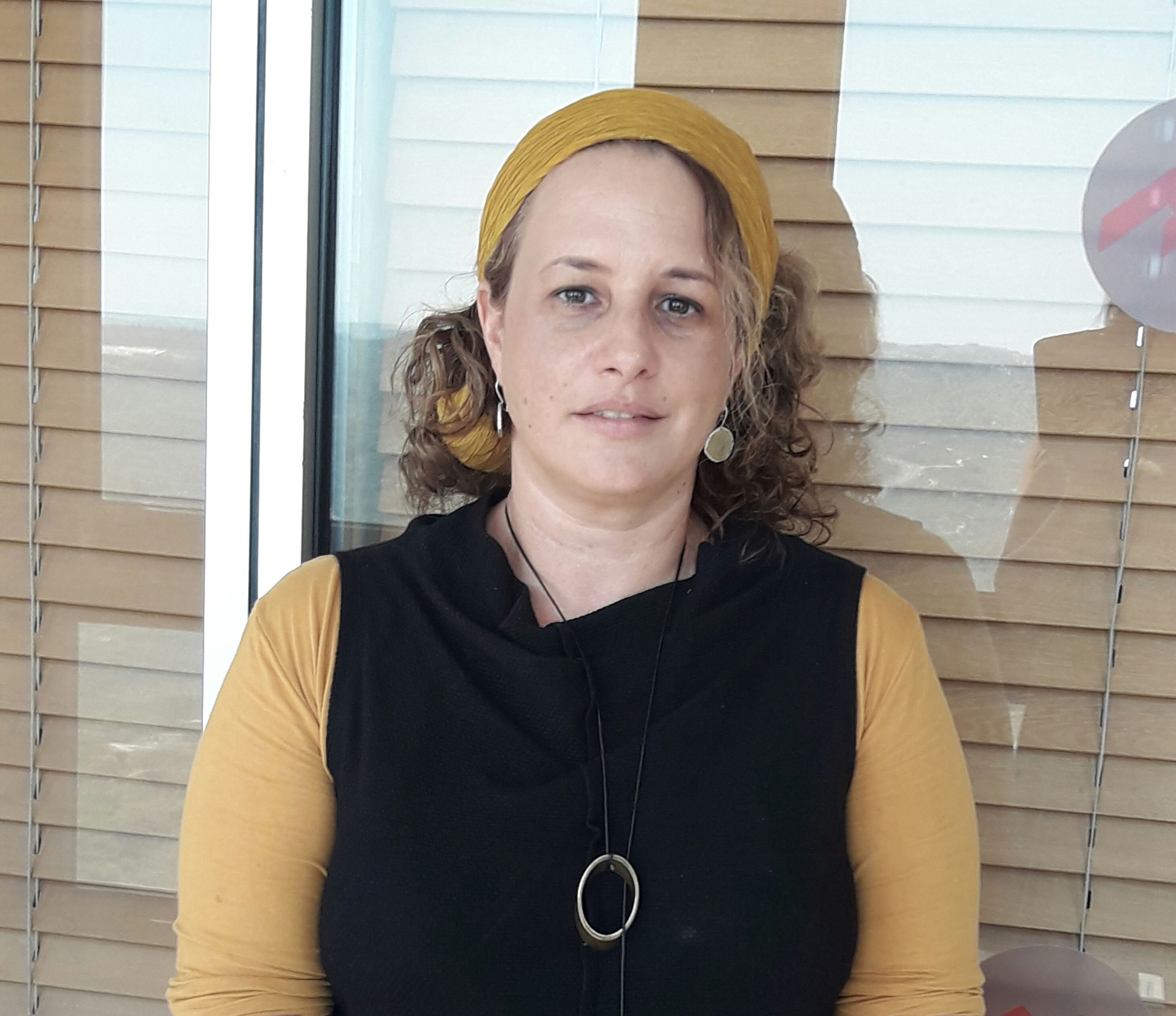
Hani Nouman (University of Haifa) – Welfare and Social Work
Hani Nouman, PhD, is a senior member of staff at the School of Social Work at the University of Haifa. She is a community social worker, certified group facilitator, and lecturer, and has extensive practical experience in the field of community interventions in stress and crisis situations.
Her main area of research is communities and policy change. Her studies include psychosocial assessment of communities coping with stress and crises while examining the involvement of practitioners to strengthen and empower these communities. In her research, Dr. Nouman focuses on assessing the need for policy change, the effectiveness of decision-making processes in professional interventions, and the involvement of practitioners in social policy shaping processes. From this perspective, her research is application-oriented, intended to address social problems in the community, and to advance necessary social change required in emergency situations. Dr. Nouman has published articles in leading international journals and supervises graduate students in these fields.
Alongside her academic activity, Dr. Nouman has been a practitioner in this field for many years. Among other roles, she has been a community social worker in interventions in emergency, stress, and crisis situations, has coordinated community and volunteering in the public welfare services, facilitated groups on the subject, has mentored practitioners, and currently serves as a voluntary consultant on these matters in various communities.
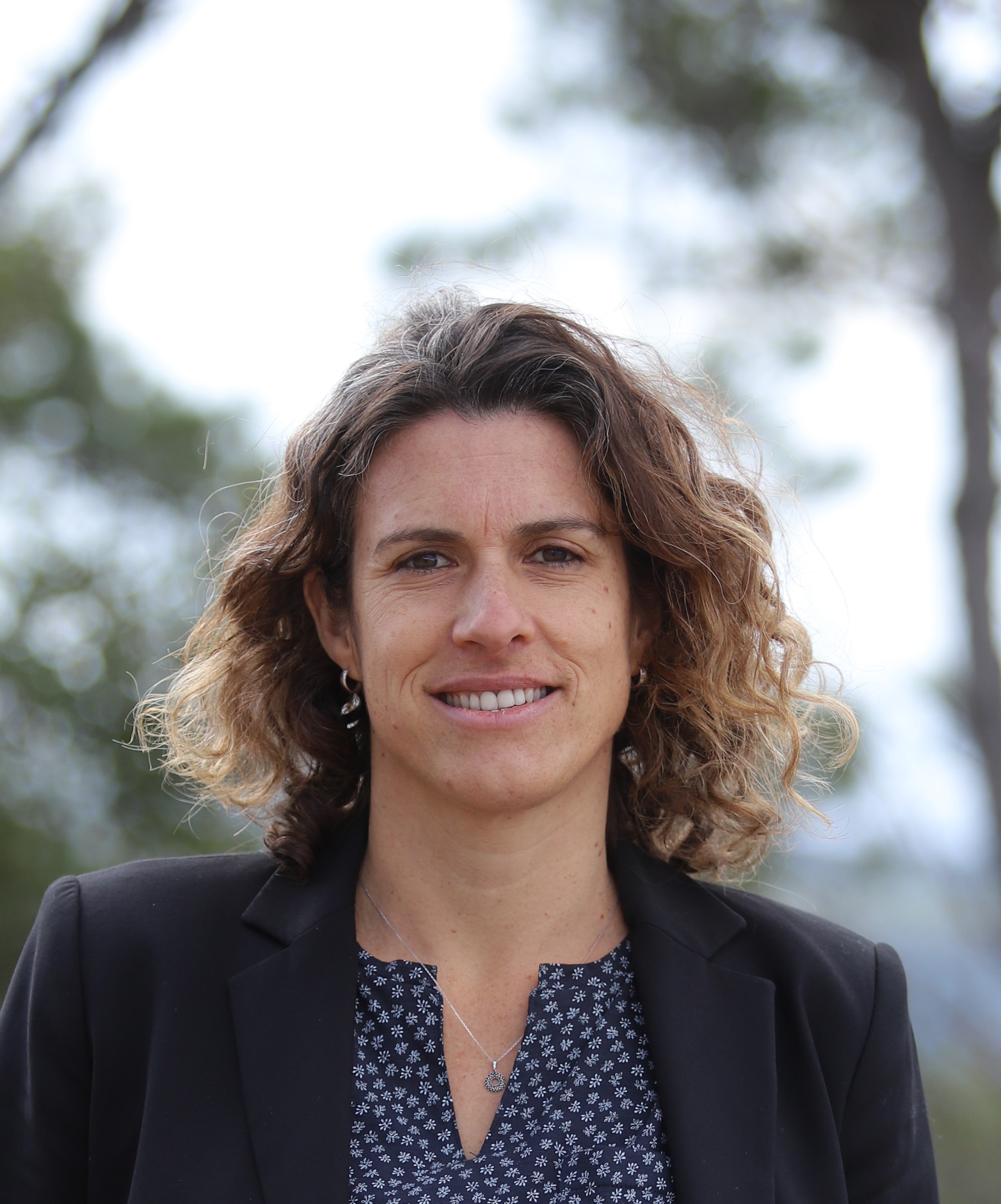
Maya Negev (University of Haifa) – Public Health and Emergency Medicine
Prof. Maya Negev is the head of the Health and Climate Resilience Lab and the Health Systems Policy and Administration Program at the School of Public Health, University of Haifa. Her research interests are in the science-policy interface of environmental health, with a particular interest in health aspects of adaptation to climate change. Her current work focuses on regional and urban resilience to climate change. These questions are examined through mixed methods and interdisciplinary research. Maya is a member of the scientists’ network MedECC (Mediterranean Experts on Climate and environmental Change), and of the International Society for Environmental Epidemiology’s Policy Committee, where she is engaged in synthesizing science for informing healthy climate policy.
She received her PhD from Ben-Gurion University and her doctoral thesis focused on a multicultural approach to environmental policy, was a Fulbright visiting scholar at the School of Public Health, UC Berkeley, and conducted research on adaptation to climate change in the public health sector at the London School of Hygiene and Tropical Medicine, during a Daniel Turnberg fellowship. She is the head of the Board of Directors of the Arava Institute of Environmental Studies.
Shlomo Mizrahi (University of Haifa) – Social Science; Public Policy
I teach and research in various areas emphasizing integrations between fields and sub-fields. I integrate a variety of research methods such as formal modeling, operational research, qualitative analysis and statistical methods. I research in the area of safety management where I have led a project related to the costs of industrial accidents with the finance of the Manof foundation. I also designed a policy program in the area of safety management in the workplace.
Research Interests: public policy, public sector and New Public Management (NPM), performance management, political behavior, the welfare state, regulation and privatization, public choice and game theory, collective action and interest groups, institutional change, bargaining and conflict resolution.
The Hebrew University of Jerusalem, Earth Sciences Department
My research interests have changed over time. I have investigated the effect of predicted climate change on (future) local weather (using “dynamical downscaling”), the effect of climate change on the intensity of tropical storms, the impact of air pollution (and dust) on tropical and severe storms, and initial conditions and grid-spacing on winterstorm prediction. More recently, my emphasis has turned from research to applications of research ideas. My emphasis is on using numerical models to improve weather forecasts for the purpose of saving lives and reducing risk to infrastructure. This involves using high-resolution data sets (such as lightning data) to improve forecasts that can offer advanced warning beyond what is seen by radar or satellite. In addition, we operated the first fully coupled wildfire atmospheric model (“WRF-SFIRE), which was designed to more accurately forecast wildfire movement and wildfire line intensity. Moreover, because the wildfire model is coupled with the atmospheric model, WRF-SFIRE can predict changes in wildfire intensity (“blowup” or “firestorms”) occurring because of the interaction between the heat of the fire line and the circulation along it.
References:
Lynn, B. H., L. Druyan, C. Hogrefe, J. Dudhia, C. Rosenzweig, R. Goldberg , D. Rind, R. Healy, J. Rosenthal, and P. Kinney, 2004: On the sensitivity of present and future surface temperatures to precipitation characteristics. Climate Research, 28, 53-65.
Lynn B. H. A. Khain, J. Dudhia, D. Rosenfeld, A. Pokrovsky, and A. Seifert, 2005: Spectral (bin) microphysics coupled with a mesoscale model (MM5). Part 1. Model description and first results. Mon. Wea. Rev. 133, 44-58.
Lynn, B. H., R. Healy, and L. Druyan, 2007: An analysis of the potential for extreme temperature change based on observations and model simulations. Journal of Climate, 20, 1534-1554.
Lynn, B. H., R. Healy, and L M. Druyan, 2009: Investigation of ‘Hurricane Katrina’ characteristics for future, warmer climates, Climate Research, 39:75-86.
Lynn, B. H., T. N. Carlson, and C. Rosenzweig, R. Goldberg, L. Druyan, J. Cox, S. Gaffen, L. Parshall, and K. Civerola, 2009: A Modification to the NOAH LSM to simulate Heat Mitigation Strategies in the New York City Metropolitan Area, J. Applied. Meteorolology and Climatology, 48, No. 2. 199–216.
Lynn, B. H., C. Rosenzweig ,,, R. Goldberg,, D. Rind, C. Hogrefe, L, Druyan, R. Healy, J. Dudhia (C), J. Rosenthal,, and P. Kinney, 2010: Testing GISS-MM5 physics configurations for use in regional impacts studies, Climatic Change, 10.1007/s10584-009-9729-5
- J. Mandel, S. Amram, J. D. Beezley, G. Kelman, A. K. Kochanski, V. Y. Kondratenko, B. H. Lynn, B. Regev, M. Vejmelka, 2014. Recent advances and applications of WRF–SFIRE. Natural Hazards and Earth System Science, 14, 2829-2845, 2014, doi:10.5194/nhess-14-2829-2014. Special Issue Numerical wildland combustion, from the flame to the atmosphere, Numerical Wildfires, Cargèse, France, May 13–18, 2013.
Lynn, B. H., Y. Y., Price C., Kelman, G., A. Clark, and G. Kelman, 2012: Predicting Cloud-to-Ground and Intracloud Lightning in Weather Forecast Models. Weather and Forecasting, 27, 1470–1488.
Lynn, B. G. Kelman, G. Ellrod, 2015: An Evaluation of the Efficacy of Using Observed Lightning to Improve Convective Lightning Forecasts, Weather and Forecasting, 30, 405–423.
Lynn, B. H, 2017: The Usefulness and Economic Value of Total Lightning Forecasts made with a "Dynamic" Lightning Scheme coupled with Lightning Data Assimilation. Weather and Forecasting. 32, 645-663.